The treeline is a plume of gaseous toxicity. The clouds are a castle in the sky adorned with the bitter tears and rage and regret of the half living. The fear is palpable and uncertainty is read in countless searching eyes and supplicating whispers.
The boots are first on the ground, on the pavement, then on the backs and on the necks of the dissatisfied and indignant …
Rage
n. intense, typically uncontrolled anger. It is usually differentiated fromhostility in that it is not necessarily accompanied by destructive actions but rather by excessive expressions. It generally includes rapid respiration; thrusting and jerking of limbs; and clawing, biting, and snarling.
Regardless of the reason for your impulsion, if you have experienced pure, unadulterated rage, you are one of the multitudes living with this indisposition.
Anger confuses more than it helps. It makes people punitive, careless in their thoughts, and eager to take action.
It is a physiological disturbance and a judgment that one has been wronged or offended.
The action tendency of anger is aggression. Human beings have a general desire to see wrongdoers punished. There is a pleasure in balancing the horrible act that has been enacted. It makes us feel controlled rather than helpless.
Anger triggers optimism about oneself and creates a self serving bias toward seeing oneself as powerful and capable.
It is often an outgrowth of fear. Many times it is about narcissistic injury (or self-importance). The obsessive focus on relative status makes perfect sense for the act of vengeance. Retaliation puts the other person down and the self up.
When we are hurt and angry, we want someone to blame and hold responsible for our pain. It pleases our ego to believe that any bad event is someone’s fault. Anger is a distraction of attention from solving the real problem.
Anger can become an appealing substitute for grieving and often hijacks this necessary process. Eventually, facing life after a loss moves us forward in our existence.
Angry decision makers typically process information in distorted ways, failing to consider alternative options before acting. Some people use anger, and the threat of their anger, to intimidate and manipulate others. How did they learn to do this?
Emotions are habits – the product of practice and repetition. It is rare for a person to get angry just once. They become addicted to their emotions and energize themselves by getting angry. Like other addictive substances, anger may be rewarding in the anticipation of benefits, but harmful in the long run.
The rush and optimism of anger may lead people to make unwise choices in which they fail to consider the perspectives of others.
Anger can lead to feeling enraged, a stage in which you feel completely out of control. Here, you may exhibit destructive behaviors such as lashing out physically, excessive swearing, or threatening violence.
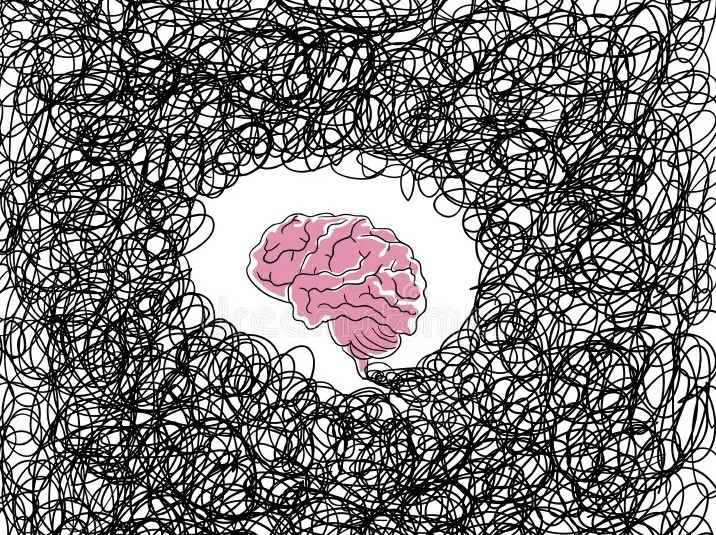
This downward spiral happens very quickly, before the rational center of the brain has time to consciously think about your anger, and the survival center takes over. In this stage, your ‘reactive’ brain center is generally more active than your ‘planning’ brain center.
When you become enraged, it’s best to turn immediately to the 4-count in, 8-count out slow breathing strategy. This is the fastest way to dampen the intense emotional reaction you are experiencing. It also helps ensure that you regain control over your reactions as quickly as possible.
“Anger is an acid that can do more harm to the vessel in which it is stored than to anything on which it is poured.” – Mark Twain
Did You Know? Recent studies from the National Institutes of Health and the American Heart Association Journals confirm that intense anger severely impairs blood vessel dilation for up to 40 minutes, significantly increasing the risk of heart attack and stroke. This damage to blood vessel function is a precursor to atherosclerosis. Intense anger causes cumulative damage to cardiovascular health.